Seismic engineering in Bakersfield encompasses a critical suite of geotechnical and structural services designed to mitigate earthquake risks in a region shaped by the seismically active San Andreas Fault system. Located at the southern end of the Central Valley, Bakersfield sits near several active faults, including the White Wolf Fault, which produced the devastating 1952 Kern County earthquake. This category of services addresses everything from ground behavior prediction to structural protection, ensuring that infrastructure can withstand the dynamic forces generated by these tectonic features. For a city that has experienced destructive shaking in the past, proactive seismic planning is not just a regulatory requirement but a fundamental aspect of public safety.
The local geology of Bakersfield significantly influences seismic hazards. Much of the city is underlain by deep alluvial basin deposits, which can amplify ground shaking and increase the duration of earthquake waves. These loose, saturated sediments are particularly susceptible to phenomena like soil liquefaction analysis, where the ground temporarily loses strength and behaves like a liquid. Additionally, the basin-edge effect along the foothills of the Sierra Nevada can trap seismic energy, creating localized zones of intensified shaking. Understanding these subsurface conditions through detailed site characterization is the first step in any seismic risk assessment, informing everything from foundation design to emergency response planning.
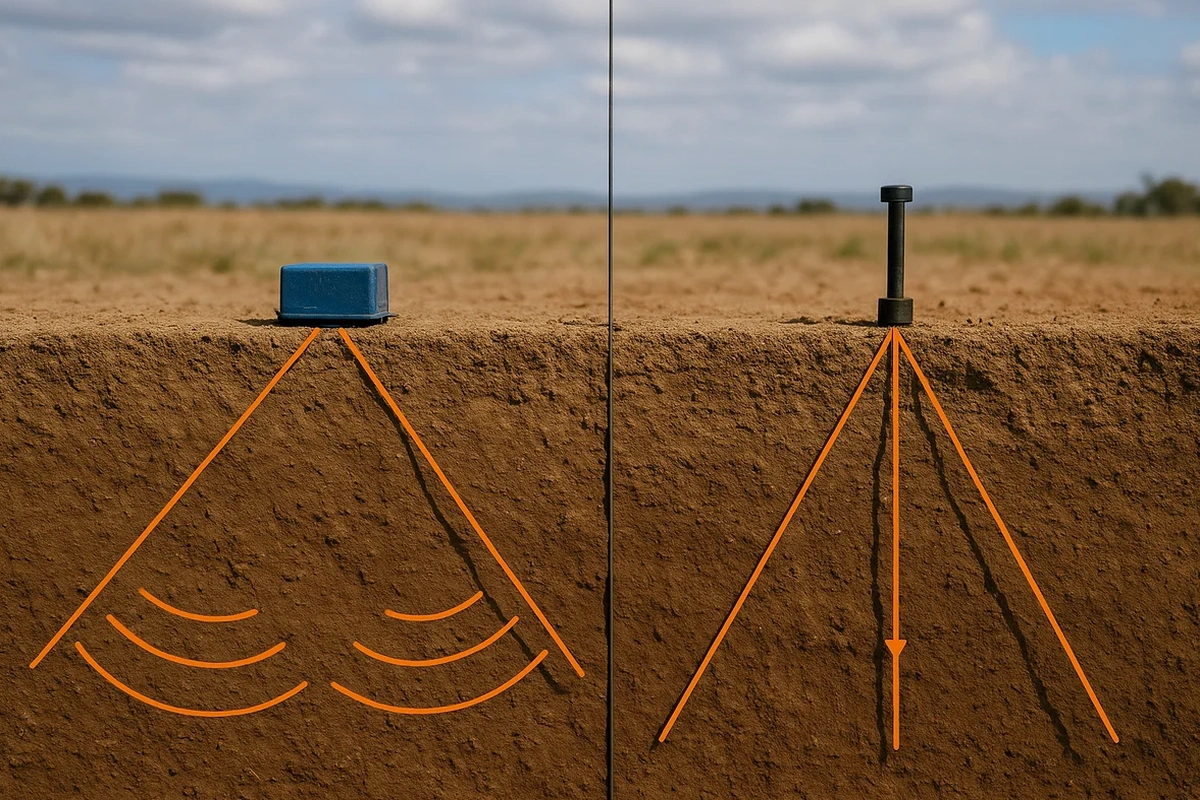
Compliance with regulatory standards is mandatory for most construction projects in California. The governing framework is the California Building Code (CBC), specifically Chapter 16, which adopts and amends the ASCE 7 standard for seismic design. The California Geological Survey provides essential resources like regulatory Alquist-Priolo Earthquake Fault Zone maps and Seismic Hazard Zone maps for liquefaction and landslide susceptibility. Any project within a mapped fault zone requires a site-specific geotechnical investigation to determine if an active fault trace crosses the property. A comprehensive seismic microzonation study, which maps hazard potential at a local scale, is often the foundational document for large-scale developments seeking to align with these stringent state mandates.
A wide variety of projects in Bakersfield demand these specialized seismic services. Critical infrastructure such as hospitals, fire stations, and emergency operations centers must meet the highest performance standards. New commercial high-rises, schools, and bridges require dynamic analysis to ensure life safety and prevent collapse. Even for low-rise residential developments, evaluating liquefaction potential is often a standard requirement during the geotechnical investigation phase. For essential facilities where functionality must be maintained immediately after a major earthquake, advanced solutions like base isolation seismic design are employed to decouple the structure from ground motion, drastically reducing the forces transmitted into the building.
Common questions
What is the most significant seismic hazard in the Bakersfield area?
The primary hazard is strong ground shaking from nearby faults like the White Wolf and San Andreas systems. However, because Bakersfield sits on a deep alluvial basin, a major secondary hazard is the amplification and trapping of seismic waves, leading to more intense and prolonged shaking than would occur on bedrock. Liquefaction in saturated sandy soils is also a critical concern.
When is a site-specific seismic study required for a project in Bakersfield?
A site-specific study is mandated by the California Building Code for most structures, particularly those in Seismic Design Category C or higher. It is legally required if the property is within an Alquist-Priolo Earthquake Fault Zone or a state-mapped Seismic Hazard Zone for liquefaction or landslides. Critical facilities like hospitals always require detailed dynamic analysis regardless of mapped zone boundaries.
How does the local basin geology affect building code requirements?
The deep sedimentary basin beneath Bakersfield is classified as Site Class D or E, which modifies the design ground motion values used by structural engineers. The California Building Code requires site-specific ground motion analysis that accounts for basin effects, often resulting in higher design spectral accelerations than standard maps would suggest, directly impacting the required strength and detailing of the structure.
What is the difference between a fault rupture hazard and a seismic shaking hazard?
A fault rupture hazard involves the physical displacement of the ground surface along a fault trace, which can shear a building's foundation. A seismic shaking hazard is the vibratory ground motion caused by seismic waves radiating from an earthquake rupture. While surface rupture is a localized, catastrophic threat, shaking is a regional hazard that can cause widespread damage through inertial forces and ground failure like liquefaction.