Foundation engineering in Bakersfield forms the bedrock of any successful construction project in the southern San Joaquin Valley. This category encompasses the full spectrum of subsurface investigation, geotechnical analysis, and structural support design required to safely transfer building loads to the ground. Given the region's variable soil conditions, from dense alluvial deposits to areas with a shallow water table, a one-size-fits-all approach is not feasible. Proper foundation design is critical not only for structural integrity but also for mitigating risks associated with differential settlement, expansive soils, and seismic activity, which are prevalent throughout California.
The local geology of Bakersfield is dominated by sediments deposited by the Kern River and historical water flows across the valley floor. This has created a complex subsurface profile of interbedded sands, silts, and clays, often with lenses of loose or compressible material at varying depths. Of particular concern are the expansive clay soils found in many parts of the city and its outskirts. These clays undergo significant volume changes with fluctuations in moisture content, swelling when wet and shrinking during Bakersfield's hot, dry summers. This movement can exert tremendous pressure on conventional shallow footings, leading to cracking and structural distress if not properly addressed through specific design and construction techniques.
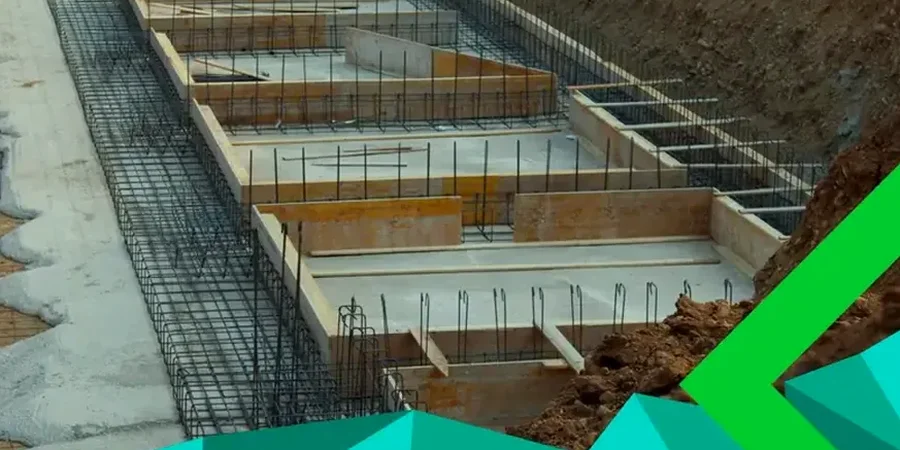
All foundation work in Bakersfield must comply with the stringent requirements of the California Building Code (CBC), which is based on the International Building Code (IBC) but includes state-specific amendments for seismic design. Chapter 18 of the CBC, along with the referenced standards from ASCE 7, governs geotechnical investigations and foundation design. A site-specific geotechnical report is mandatory before obtaining a building permit, detailing soil properties, bearing capacity, lateral earth pressures, and recommendations for foundation type and construction. For deeper foundation systems, such as pile foundation design, the design must also adhere to the California Amendments to the IBC, which impose rigorous testing and special inspection protocols to ensure performance, particularly under seismic loading conditions.
A wide array of project types in Bakersfield demands specialized foundation solutions. Single-family residential developments frequently require post-tensioned slabs or deepened grade beams to cope with expansive soils. Commercial buildings and warehouses, such as those in the industrial corridors along Highway 99, often rely on stiffened slabs or a grid of drilled piers. Critical infrastructure and heavier structures, including bridges, hospitals, and multi-story buildings, may necessitate deep foundations. In areas where near-surface soils lack sufficient bearing capacity or are prone to liquefaction, pile foundation design becomes essential to bypass these problematic strata and transfer loads to competent bearing layers at depth. Agricultural processing facilities, a staple of the Kern County economy, also present unique challenges with heavy dynamic equipment loads and settlement-sensitive machinery.
Available services
Common questions
What are the most common signs of a foundation problem in a Bakersfield home?
In Bakersfield, telltale signs often relate to expansive clay soil movement. Look for diagonal cracks in sheetrock, especially above door and window corners, sticking doors or windows, gaps between walls and ceilings, and sloping or uneven floors. Exterior cracks in the stucco or brick veneer, often in a stair-step pattern, are also strong indicators of differential settlement or soil heaving.
How do Bakersfield's soil conditions specifically affect the choice between a slab and a raised floor foundation?
Bakersfield's widespread expansive clays heavily influence this choice. A raised floor foundation with a crawl space allows air circulation, which helps maintain more consistent soil moisture under the building, reducing shrink-swell cycles. Conversely, a conventional slab-on-grade is more susceptible to soil movement. Therefore, modern slabs in the area are almost always post-tensioned or structurally reinforced with interior grade beams to resist the uplift and lateral pressures from swelling soils.
Is a geotechnical report always required for a new construction project in Bakersfield?
Yes, a site-specific geotechnical report is a mandatory requirement for obtaining a building permit for any new structure in the City of Bakersfield and unincorporated Kern County. The report, prepared by a licensed civil engineer, must be submitted with the building plans. It provides the design parameters like soil bearing capacity and expansive potential, which the structural engineer uses to design a code-compliant foundation tailored to your specific lot's subsurface conditions.
What is the typical difference between a shallow foundation and a deep foundation, and when is a deep foundation needed?
A shallow foundation, like a spread footing or mat slab, transfers loads to the earth near the surface. A deep foundation, such as a pile or drilled pier, bypasses weak or unstable upper soil layers to reach a deeper, competent bearing stratum or bedrock. In Bakersfield, deep foundations are typically required for heavier structures, when near-surface soils are loose or highly expansive, or in areas with a high water table where liquefaction risk must be mitigated.